

Blog / San Jose Subaru Service

Blog

All San Jose Subaru Service San Jose Subaru Dealer Things to Do In Santa Clara, CA Restaurants in Santa Clara, CA Stevens Creek Subaru Service
Subaru Service Near Me at Stevens Creek Subaru in San Jose, CA

Expert Subaru Service in Santa Clara: Where Confidence and Care Meet

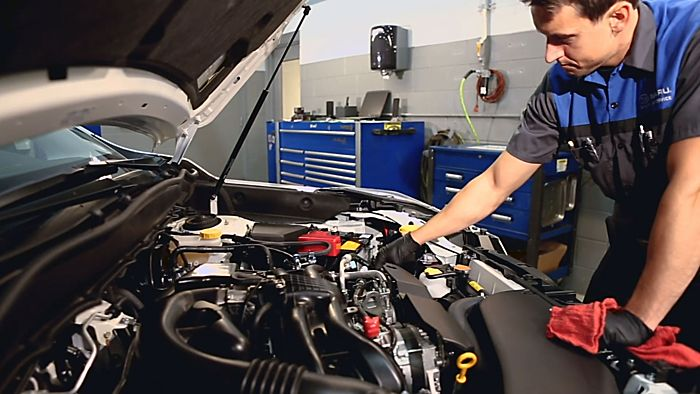
Keeping Your Subaru at Peak Performance—Only at Stevens Creek Subaru From the winding coastal highways of California to the rugged trails of the Sierra Nevada, your Subaru is built for life’s journeys. To keep it running smoothly and safely, there’s no substitute for expert care. At Stevens Creek Subaru, we provide comprehensive, factory-certified Subaru service designed to maintain your vehicle’s legendary performance, reliability, and value. Whether you're due for routine maintenance or need a complex repair, our Subaru-trained technicians, genuine parts, and state-of-the-art facility ensure your Subaru stays adventure-ready. 1. Why Choose Subaru Certified Service? Your Subaru is engineered differently—so it deserves service that’s done differently too. Here’s why certified Subaru service matters: Factory-Trained Technicians: Only Subaru-certified professionals work on your vehicle Genuine Subaru Parts: We install parts engineered to match your exact model Advanced Diagnostics: Specialized tools calibrated for Subaru vehicles Service You Can Trust: Backed by Subaru’s national service standards Preserve Your Warranty: Maintain your factory coverage with proper service You bought a Subaru for confidence. Keep it with Stevens Creek Subaru’s expert care. 2. Our Most Popular Subaru Services From the basics to in-depth diagnostics, we cover all your Subaru service needs: Service Description Recommended Interval Oil Change Protects engine and improves efficiency Every 6,000 miles or 6 months Brake Service Inspection and pad/rotor replacement Every 20,000–60,000 miles Tire Rotation & Balancing Extends tire life and improves safety Every 6,000–8,000 miles Battery Check & Replacement Ensures reliable starts and performance Every 3–5 years Wheel Alignment Prevents uneven wear and handling issues As needed or after major potholes Coolant/Antifreeze Service Maintains proper engine temperature Every 30,000–60,000 miles Transmission Service Smooth shifting and reduced wear Every 60,000–100,000 miles Check Engine Light Diagnosis Pinpoints issues with professional tools As soon as the light appears Multi-Point Inspections Overall vehicle health check Every visit We offer complimentary multi-point inspections with every service visit. 3. Subaru Express Service: Fast. Friendly. Factory Trained. No appointment? No problem. With Subaru Express Service, you get high-quality maintenance without the wait. Available Express Services: Oil changes Tire rotations Battery tests Air filter replacement Wiper blade installation Multi-point inspections Backed by Subaru-certified technicians and Genuine Subaru Parts, Subaru Express Service is perfect for your busy schedule. 4. Subaru Maintenance Schedule by Model Not all Subarus are the same—and neither are their service needs. Below is a simplified guide to common maintenance milestones: Mileage Services Recommended 6,000 miles Oil change, tire rotation, inspection 12,000 miles Oil change, cabin/engine air filters 30,000 miles Brake fluid, spark plugs (select models), coolant check 60,000 miles Transmission service, coolant flush 100,000 miles Timing belt (if applicable), spark plugs We follow Subaru’s official maintenance schedules for your specific year and model. 5. Subaru Recall & Warranty Repairs If your Subaru has a recall or is still under warranty, Stevens Creek Subaru is the place to go. We provide: Recall service at no cost to you Warranty repairs using Genuine Subaru Parts Subaru-trained technicians who follow precise procedures We’ll even help you check your VIN for active recalls and assist with Subaru warranty claims. 6. Subaru STARLINK® & Safety System Calibration Modern Subarus feature advanced systems like: EyeSight® Driver Assist Technology STARLINK® Safety and Security Adaptive cruise control Lane departure warning These systems require expert calibration after repairs, windshield replacements, or wheel alignments. Our service team uses Subaru-certified equipment to keep your vehicle’s safety features functioning perfectly. 7. Genuine Subaru Parts & Fluids: Performance You Can Trust Every oil change, filter replacement, and brake job is done using Genuine Subaru Parts and Fluids, including: 0W-20 synthetic oil Subaru OEM oil and air filters Factory brake pads and rotors Subaru Super Coolant CVT and manual transmission fluid This ensures optimal performance, reliability, and warranty protection. 8. Seasonal Subaru Services & Bay Area Driving Conditions Santa Clara’s climate may be mild, but seasonal changes still impact your Subaru. We offer services tailored to local driving: Spring & Summer: A/C check and recharge Cooling system flush Battery check Tire pressure and tread inspection Fall & Winter: Windshield wiper replacement Defroster and heater check Winter wiper fluid Tire rotation for even wear 9. Certified Subaru Technicians: What Sets Them Apart Our technicians are more than mechanics—they’re factory-trained Subaru experts with: Ongoing Subaru certification Access to the latest technical bulletins Model-specific training Tools and software designed for your Subaru When precision matters, trust the team that knows your car best. 10. Subaru Service Specials and Loyalty Rewards We want to help you save while maintaining your Subaru. Look for ongoing offers such as: Discounted oil change packages Free alignment checks Brake specials Multi-service bundles Loyalty points on every service visit Check our website for current service coupons and promotions. 11. Schedule Service Online or Call Anytime Booking your next service is simple: Use our easy online scheduler at stevenscreeksubaru.com Choose date, time, and services Request loaner vehicles or shuttle rides (availability may vary) Or give us a call to speak directly with a service advisor. 12. Why Drivers Trust Stevens Creek Subaru Service With so many service centers out there, why choose us? Subaru Love Promise: We treat every guest with care, integrity, and respect Modern facility: Comfortable waiting lounge with Wi-Fi, coffee, and kid-friendly space Transparent pricing: Upfront quotes and no surprises Local loyalty: Proudly serving Santa Clara, San Jose, Cupertino, and the greater Bay Area Visit Us Today! Trust your Subaru to the people who know it best. Schedule your next visit with Stevens Creek Subaru and experience professional, worry-free maintenance that keeps you moving. Stevens Creek Subaru 3225 Stevens Creek Blvd Santa Clara, CA 95117 https://www.stevenscreeksubaru.com (408) 984-2001
Genuine Subaru Parts at Stevens Creek Subaru at San Jose, CA

Genuine Subaru Parts: The Heart of Performance and Reliability

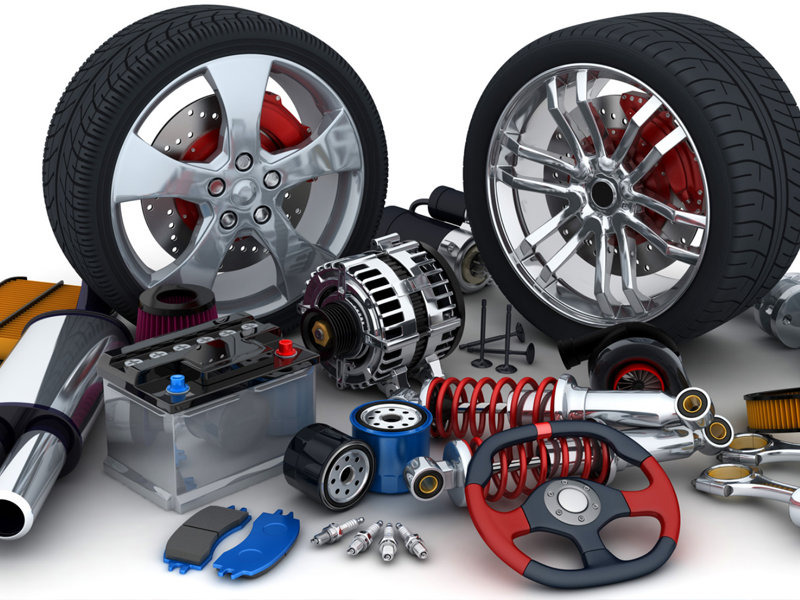
Powered by Precision. Backed by Subaru. Installed by Experts. At Stevens Creek Subaru, we believe every journey should be confident, capable, and safe—whether you're exploring backcountry roads or commuting through the Bay Area. That’s why we exclusively recommend Genuine Subaru Parts for all repairs, maintenance, and customizations. Designed to match your vehicle perfectly, Subaru OEM (Original Equipment Manufacturer) parts ensure that your car retains its legendary reliability, safety, and performance. In this comprehensive guide, we'll take you through everything you need to know about Genuine Subaru Parts—what they are, why they matter, what parts are available, and why Stevens Creek Subaru is your trusted source in Santa Clara and beyond. 1. What Are Genuine Subaru Parts? Genuine Subaru Parts are components engineered by Subaru and manufactured to meet the same specifications as the parts that originally came with your vehicle. They are not aftermarket, third-party, or off-brand—these are parts designed and tested by Subaru to function optimally with your specific make and model. Why Genuine Matters: Exact Fit: No modification or guesswork required Built for Durability: Rigorously tested in extreme conditions Preserves Vehicle Warranty: Genuine parts help maintain your factory warranty Designed with Subaru Safety in Mind: Maintains crashworthiness and reliability Retains Resale Value: Keeps your Subaru in peak condition Whether it’s an oil filter or a transmission, using the right part makes all the difference. 2. Top 10 Genuine Subaru Parts You’ll Eventually Need While your Subaru is built to last, every vehicle requires replacement parts over time. Here are ten of the most commonly replaced Genuine Subaru Parts and why they’re essential. Part Function Recommended Interval Oil Filter Removes contaminants from engine oil Every 3,000–6,000 miles Air Filter Keeps dust and debris from entering the engine Every 15,000–30,000 miles Brake Pads Slows/stops vehicle by creating friction Every 25,000–70,000 miles Timing Belt Keeps engine valves and pistons in sync Every 60,000–100,000 miles Battery Powers ignition and electronics Every 3–5 years Wiper Blades Clears windshield for visibility Every 6–12 months Spark Plugs Ignite fuel-air mixture in engine Every 30,000–100,000 miles Headlights/Tail Lights Ensures visibility and safety As needed Cabin Air Filter Filters air inside the cabin Every 12,000–15,000 miles Tires Ensures traction and stability Every 25,000–50,000 miles At Stevens Creek Subaru, we stock all of these parts—and many more. 3. Safety First: Subaru Parts & Crash Performance Subaru vehicles are renowned for their EyeSight® Driver Assist Technology, Symmetrical All-Wheel Drive, and five-star safety ratings. But did you know that using non-genuine or aftermarket parts can compromise your vehicle’s crash safety? Key Safety Components That Require Genuine Subaru Parts: Bumpers and crumple zones Airbag sensors and modules Advanced Driver Assistance Systems (ADAS) Windshields and glass (especially with EyeSight®) Only Genuine Subaru Parts are engineered to perform as expected in real-world crash tests. Protect your family by insisting on Subaru OEM parts. 4. Subaru Accessories: Style, Utility & Personalization Want to elevate your Subaru experience? Explore the full line of Genuine Subaru Accessories at Stevens Creek Subaru. Popular Subaru Accessories: Roof rails and crossbars for outdoor adventure All-weather floor mats to protect your interior Rear bumper protectors for loading gear STI sport accessories for performance looks Cargo organizers and pet barriers for family trips LED light upgrades and fog lights Thule® and Yakima® carriers (Subaru-approved) These accessories are engineered to integrate seamlessly into your Subaru and installed by certified technicians. 5. Subaru STARLINK® & Tech Upgrades Stay connected and protected with the latest Subaru tech. Our parts department carries Genuine Subaru Technology Upgrades, including: Navigation system updates Subaru STARLINK® multimedia accessories Security and remote start systems Wireless charging trays Want to enhance your driving experience? Ask about available tech enhancements when you visit. 6. Common Myths About Aftermarket Parts Some drivers choose aftermarket parts to save a few dollars, but the hidden costs can be steep. Let’s bust a few common myths: Myth #1: “Aftermarket parts are just as good.” Truth: Many are not crash-tested, don’t fit properly, or wear out faster. Myth #2: “They don’t void my warranty.” Truth: While you can legally use aftermarket parts, they can cause failures that Subaru won’t cover. Myth #3: “I can save money.” Truth: Poor fitment often leads to extra labor or re-installation costs. When safety, performance, and longevity matter—trust only Subaru Genuine Parts. 7. Genuine Subaru Parts vs. Aftermarket: A Side-by-Side Comparison Feature Genuine Subaru Parts Aftermarket Parts Designed by Subaru ✅ Yes ❌ No Warranty-backed ✅ Yes ❌ Varies Exact vehicle fit ✅ Yes ❌ May require modification Crash-tested ✅ Yes ❌ Not always Maintains warranty ✅ Yes ❌ Risky Available at dealer ✅ Yes ✅ Sometimes 8. Who Installs Your Parts Matters Even the best parts can fail if not installed correctly. That’s why at Stevens Creek Subaru, all installations are handled by Subaru-certified technicians who: Receive continuous factory training Use specialized Subaru tools Follow manufacturer torque specs and installation guides Respect your vehicle's electronic systems From timing belts to touchscreen displays, our techs do it right the first time. 9. Wholesale and Body Shop Partnerships Stevens Creek Subaru proudly supports local: Collision centers Independent mechanics Fleet managers with competitive wholesale pricing on Subaru OEM parts. We also work closely with insurance companies to source parts quickly and accurately. Need a consistent supply of factory Subaru parts? Let’s talk partnership. 10. Seasonal Subaru Parts Checklist The Bay Area experiences varying weather—from dry summers to occasional wet winters. Stay ahead of the elements with a seasonal parts checklist: Spring/Summer: Cabin air filter Wiper blades AC system check Brake inspection Fall/Winter: Battery test/replacement Winter tires or all-seasons Windshield washer fluid Floor liners and mud guards Our advisors can recommend the right Genuine Subaru Parts for every season. 11. Subaru Certified Collision Center: Get It Done Right Involved in an accident? Stevens Creek Subaru partners with Subaru Certified Collision Centers to ensure that your vehicle is: Repaired with genuine structural and mechanical components Repainted with factory-matched finishes Recalibrated to factory ADAS settings Trust us to bring your Subaru back to like-new condition. 12. Order Subaru Parts Online or In-Store We make it easy to get the parts you need: Use our Online Parts Request Form on stevenscreeksubaru.com Call our parts department for expert advice Visit our dealership to speak with a Subaru parts specialist in person Choose from: Customer pick-up Parts installation by our team Parts shipping or delivery (availability may vary) 13. Why Choose Stevens Creek Subaru for Parts? We’re not just a dealership—we’re Subaru enthusiasts who care about what you drive. Here’s what sets us apart: Large, in-stock parts inventory Experienced parts advisors Competitive pricing Monthly parts and accessory specials Fast ordering and fulfillment We proudly serve Santa Clara, San Jose, Cupertino, Sunnyvale, Mountain View, and the greater Bay Area. Visit Us Today! Whether you're a DIY enthusiast, performance fan, or Subaru owner who wants only the best, Stevens Creek Subaru is your trusted destination for Genuine Subaru Parts and expert installation. Stevens Creek Subaru 3225 Stevens Creek Blvd Santa Clara, CA 95117 https://www.stevenscreeksubaru.com (408) 984-2001 Parts: https://parts.stevenscreeksubaru.com/?_gl=1 1vv6z7g _gcl_au*MTU2NTIxNDU0OS4xNzQ1ODU2MTk0
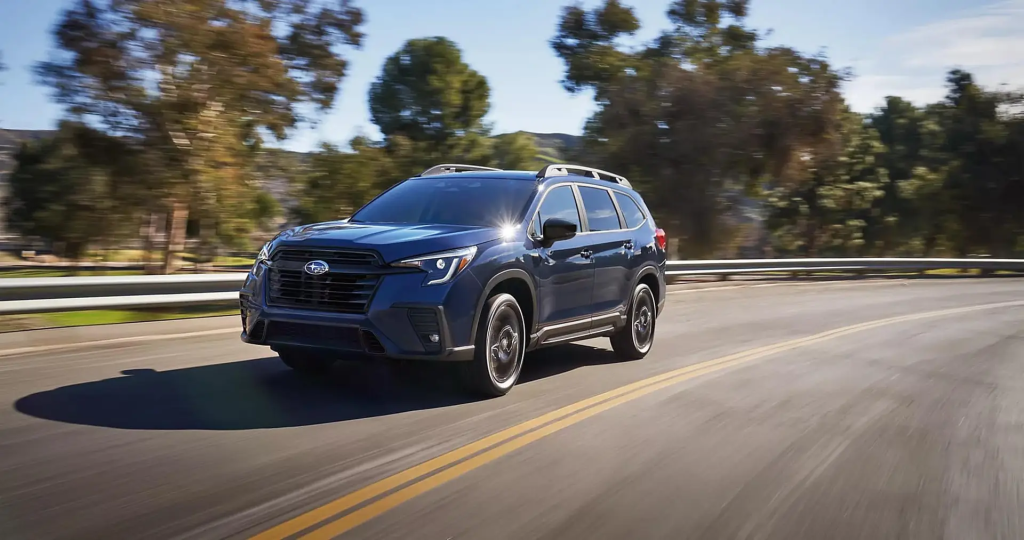
2025 Subaru Ascent

Holiday Road Trip Ready: Top Tips for Your Subaru This Season

The holidays are the perfect time for a road trip, whether you’re visiting family, heading to a cozy mountain cabin, or simply exploring winter landscapes. But before you hit the road in your Subaru, it’s important to make sure your vehicle is prepared for the journey ahead. Subaru vehicles are known for their reliability, safety, and all-weather capability, but a little extra preparation can go a long way in ensuring that your holiday road trip is smooth and enjoyable. In this guide, we’ll share essential tips to get your Subaru holiday-ready. From winterizing your vehicle to packing the right gear, these steps will help you stay safe, comfortable, and ready for anything the road throws your way. 1. Winterize Your Subaru for Cold Weather Conditions Winter conditions can present unique challenges for drivers. Snow, ice, slush, and cold temperatures all require extra preparation. The first step in getting your Subaru ready for your holiday road trip is to winterize it. Check the Tires: Your Subaru’s tires are one of the most important components for safe winter driving. Ensure you have the right tires for the season. Winter tires are designed to handle snow and ice more effectively than all-season tires, so if you live in an area with significant snowfall, it’s worth switching to winter tires. Even if you have all-season tires, make sure they have sufficient tread depth to ensure optimal traction. Test the Battery: Cold weather can be hard on your battery, so it’s important to check its charge and condition before embarking on your trip. If your battery is old or not performing well, consider replacing it to avoid any surprises on the road. Also, check the battery terminals for corrosion and clean them if necessary. Check Fluids: Make sure all essential fluids are at the proper levels, including engine oil, brake fluid, antifreeze, power steering fluid, and windshield wiper fluid. For colder climates, ensure you are using winter-grade windshield wiper fluid that won't freeze in the colder temperatures. Inspect the Heating System: It’s crucial that your Subaru's heating system is working properly, especially if you're traveling in freezing temperatures. Check that the defroster works effectively and that the cabin heater provides adequate warmth. Consider All-Wheel Drive (AWD) Maintenance: Subaru’s signature Symmetrical All-Wheel Drive (AWD) system is a major advantage for winter driving. However, it's always a good idea to have the system checked and ensure that it’s functioning at its best, especially if you’re driving through areas with snow or ice. 2. Prepare an Emergency Kit for Your Subaru While you hope to never encounter trouble on the road, it’s always wise to be prepared in case of an emergency. Pack a comprehensive emergency kit to ensure you're ready for anything the holiday road trip may bring. Basic Items: Include essential items such as jumper cables, a flashlight, a first-aid kit, and extra batteries. Winter Essentials: Bring along a snow shovel, ice scraper, snow chains, and road salt or sand. These items can come in handy if you get stuck in snow or ice. Comfort and Safety Items: Pack blankets, extra warm clothing, bottled water, non-perishable snacks, and a fully charged portable phone charger. Roadside Assistance: Consider subscribing to a roadside assistance service if you haven't already. Many services offer 24/7 help for tire changes, lockouts, and more. Having an emergency kit is crucial for long-distance trips, particularly during the winter months when the weather can turn unpredictable. Make sure your kit is easy to access and that it’s fully stocked before you leave. 3. Check Your Subaru’s Brakes and Suspension When driving in winter, braking becomes even more critical, especially on icy or slippery roads. Your Subaru is equipped with a reliable braking system, but it's still important to check the condition of your brakes before a long road trip. Brake Pads and Rotors: Have your brakes inspected to ensure the pads are in good condition and that there’s no uneven wear on the rotors. Worn-out brakes can significantly reduce your stopping power, which is dangerous in winter conditions. Suspension and Shocks: If you’re planning to drive on rough or unplowed roads, a properly functioning suspension system will ensure your Subaru remains stable. Check the shocks and struts to ensure they are working properly and that your vehicle can handle the bumps and dips often found in snowy or icy conditions. 4. Check Your Subaru’s Lights and Visibility Winter days are shorter, meaning you’ll likely be driving more in the dark. It’s essential to ensure your Subaru's lights are functioning properly to maximize visibility on the road. Inspect Headlights and Taillights: Check that all of your headlights, taillights, and turn signals are working. Replace any burned-out bulbs before your trip to avoid safety risks in low visibility conditions. Fog Lights: Many Subaru models come equipped with fog lights, which can help improve visibility during foggy, snowy, or rainy conditions. Test your fog lights and ensure they’re functioning properly. Windshield Wipers and Fluid: In addition to ensuring your wipers are in good condition, make sure your wiper fluid reservoir is full and contains winter-specific fluid. The colder temperatures can cause regular fluid to freeze, leaving you without proper cleaning capability. 5. Plan Your Route and Weather Conditions Before setting out on your holiday road trip, take the time to plan your route and consider the weather forecast. Knowing what to expect can help you avoid dangerous road conditions and adjust your travel plans if necessary. Check Weather Forecasts: Stay up-to-date on the weather conditions along your route, especially if you’re traveling through areas that are prone to snowstorms, freezing rain, or other hazardous weather. Many apps and GPS devices now provide real-time weather updates, so make sure you're equipped with the information you need. Have Alternate Routes: If the weather looks particularly severe in one area, it’s always a good idea to have an alternate route planned. It’s better to take a longer but safer route than to risk getting caught in dangerous conditions. Fuel Up and Stay Charged: Ensure that your gas tank is full before setting out. In winter conditions, it can take longer to reach your destination due to delays, and you don’t want to run low on fuel, especially in remote areas. Also, keep your phone fully charged in case you need it for navigation or in an emergency. 6. Maintain Comfort and Safety During the Drive During a holiday road trip, the journey should be as comfortable and safe as the destination. Here are a few tips to make sure you're ready for the long drive: Take Regular Breaks: Winter driving can be exhausting, so it’s important to take regular breaks to avoid fatigue. Stop for rest, food, and fresh air when needed, and ensure that you’re alert at the wheel at all times. Drive Defensively: Even with a Subaru’s excellent AWD and safety features, winter driving requires extra caution. Reduce your speed, leave extra space between vehicles, and avoid sudden acceleration or braking. Remember that it takes longer to stop on slippery or snowy roads. Dress for Comfort: Dress in layers to stay warm and comfortable during the trip. Keep a spare jacket, gloves, and other cold-weather gear handy in case you need it. Use Subaru’s Advanced Safety Features: Many newer Subaru models come equipped with EyeSight Driver Assist Technology, which includes adaptive cruise control, pre-collision braking, and lane departure warning. Make sure these features are activated to help reduce the risk of accidents in hazardous winter conditions. 7. Pack Smart for Your Holiday Road Trip Make sure you pack efficiently for the trip. Consider your travel companions, and if you're going to be carrying a lot of gear, make sure to pack your Subaru efficiently to avoid overloading the vehicle. Cargo Space: If you’re carrying luggage or equipment, utilize your Subaru’s cargo space to its fullest. If you need more space, consider a roof box or cargo carrier for extra storage. Food and Drinks: Pack snacks and drinks to keep everyone energized and hydrated during the drive. If you’re traveling through remote areas, pack a thermos of hot coffee or tea to keep warm. 8. Stay Safe on the Road with Subaru’s Roadside Assistance If your Subaru is equipped with Subaru Roadside Assistance, it’s an added benefit for any road trip. Whether you need a tire change, fuel delivery, or lockout assistance, having access to 24/7 roadside support can offer peace of mind in case of an emergency. Be sure to check if you have this service and keep the contact information handy. Conclusion: Ready for Your Holiday Road Trip in Your Subaru By following these essential tips, you can ensure that your Subaru is fully prepared for your holiday road trip. From winterizing your vehicle and packing an emergency kit to ensuring your Subaru’s safety features are up to par, proper preparation is key to a safe and enjoyable trip. Subaru’s AWD system, advanced safety features, and rugged reliability make it an ideal choice for tackling winter roads, so all you need to focus on is enjoying the ride. Have a happy and safe holiday road trip with your Subaru! Visit Us Today! Stevens Creek Subaru 3225 Stevens Creek Blvd Santa Clara, CA 95117 https://www.stevenscreeksubaru.com (408) 984-2001
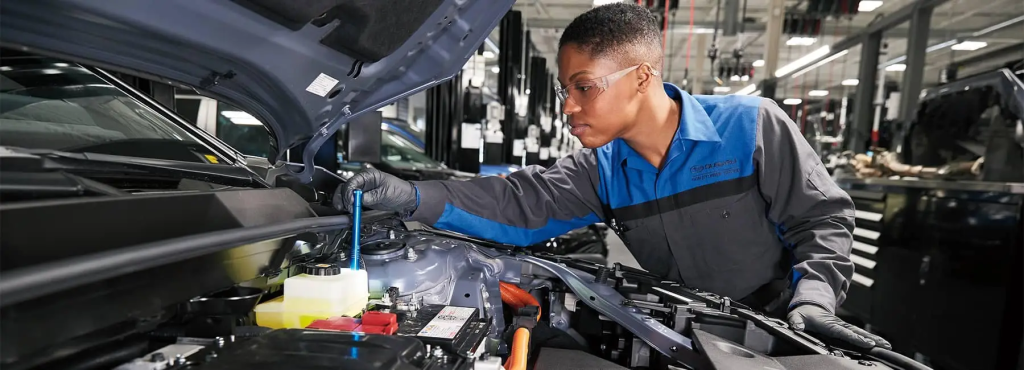
Subaru Auto Repairs

Your Subaru’s Winter Maintenance Checklist: A Simple Guide

Winter driving presents unique challenges. Cold temperatures, snow, ice, and slush can take a toll on your vehicle, making it essential to prepare your Subaru for the harsh conditions ahead. Ensuring that your Subaru is properly maintained and ready for winter can help avoid breakdowns, improve safety, and enhance your driving experience during the season. In this simple guide, we’ll cover the key maintenance tasks you should perform to keep your Subaru running smoothly during the colder months. 1. Check Your Tires Tires are one of the most critical components of your Subaru when it comes to winter driving. The winter months often bring slick, icy, and snowy roads, and having the right tires is essential for safety and control. Winter Tires: If you live in an area where temperatures frequently drop below 45°F (7°C), you should consider switching to winter tires. Winter tires are designed with specialized rubber compounds and tread patterns to provide superior traction in cold weather and on snow or ice. They are a must-have for maintaining control on slippery roads. Tire Pressure: Cold weather causes tire pressure to drop, which can affect your vehicle’s handling and increase tire wear. Be sure to check your tire pressure regularly and ensure it matches the manufacturer’s recommended pressure. You can find this information in your Subaru’s owner’s manual or on the sticker inside the driver’s side door. Tire Tread: Ensure your tires have adequate tread depth. The more tread, the better your tires can grip the road. If your tires have worn down, consider replacing them before winter weather strikes. 2. Inspect the Battery Cold weather can drain your car battery, especially if it’s older. Before winter sets in, make sure to check the condition of your Subaru’s battery to avoid unexpected breakdowns. Battery Age: Car batteries typically last 3-5 years. If your battery is nearing the end of its lifespan, consider replacing it before winter. Cold weather can make an old battery even more unreliable. Battery Terminals: Inspect the battery terminals for any signs of corrosion. Corroded battery terminals can prevent your vehicle from starting properly. If you notice corrosion, clean the terminals using a mixture of baking soda and water. Test the Battery: If you’re unsure about the health of your battery, have it tested by a professional mechanic to ensure it’s in good condition. 3. Replace Wiper Blades and Check Wiper Fluid Clear visibility is essential for safe winter driving. Winter weather often includes snow, sleet, and slush, all of which can obstruct your view. Make sure your windshield wipers and wiper fluid are ready for whatever the season throws your way. Wiper Blades: Check the condition of your wiper blades. If they are cracked, worn, or leaving streaks on the windshield, replace them with new ones. Consider switching to winter-specific wiper blades, which are designed to handle heavy snow and ice buildup. Wiper Fluid: Ensure your windshield wiper fluid reservoir is full and that you’re using a winter-grade fluid. Winter wiper fluid is formulated to prevent freezing, which is especially important in freezing temperatures. De-Icing Your Wipers: If snow or ice accumulates on your wiper blades, gently lift them from the windshield and clear the buildup to avoid damaging the wiper system. 4. Check Fluids and Oil Cold temperatures can cause fluids in your Subaru to thicken, which can affect performance. It's important to check and replace essential fluids to ensure your vehicle runs smoothly throughout the winter. Engine Oil: The viscosity of your engine oil can change in cold weather, and thicker oil can make it harder for the engine to turn over. Check the oil level and consider switching to a thinner, winter-grade oil if necessary. Always refer to your owner’s manual for the right type of oil for your Subaru. Antifreeze/Coolant: Antifreeze helps regulate engine temperature and prevents the coolant from freezing in cold temperatures. Check the antifreeze levels in your Subaru and top them off if necessary. Be sure to use the correct mix of antifreeze and water (usually 50/50), and replace the coolant if it’s been more than two years since your last change. Transmission Fluid: Check the transmission fluid level and ensure that it’s clean. In cold temperatures, dirty or low fluid can cause shifting problems. Power Steering Fluid: Check the power steering fluid to ensure it’s at the right level. Cold weather can thicken power steering fluid, making it harder to steer your Subaru, so keep an eye on this fluid level as well. 5. Inspect the Brakes Your brakes are essential to your safety, especially during the winter months when roads may be slippery. Have your Subaru’s brakes inspected to ensure that they are in top condition before winter driving. Brake Pads and Rotors: Have a professional mechanic inspect your brake pads and rotors for wear. Worn brake pads can reduce your braking ability, which is particularly dangerous on icy or snow-covered roads. Brake Fluid: Check your brake fluid level to ensure it’s within the recommended range. Low brake fluid can cause poor brake performance. If necessary, top off or replace the brake fluid. Anti-Lock Braking System (ABS): Subaru vehicles are equipped with Anti-Lock Braking System (ABS) for better control on slippery roads. Ensure that the ABS system is functioning properly. If the ABS light is illuminated on your dashboard, have it checked right away. 6. Examine the Exhaust System The exhaust system plays a critical role in the proper functioning of your Subaru, especially during the winter months when you might drive in cold, damp conditions. Any issues with your exhaust system should be addressed immediately. Inspect for Leaks: Look for signs of corrosion or leaks in your exhaust pipes, mufflers, and catalytic converter. In cold weather, leaks in the exhaust system can lead to dangerous fumes entering the cabin. Check the Exhaust Heat Shield: Ensure the exhaust heat shield is secure and intact. A loose or damaged heat shield can create rattling noises and may even cause damage to other components under your Subaru. 7. Clean and Protect the Exterior Winter driving can be tough on your Subaru’s exterior, with road salt, ice, and snow all posing potential hazards. Protect your vehicle’s paint and finish by regularly cleaning it and applying protective coatings. Wash the Exterior: Regularly wash your Subaru to remove road salt, dirt, and grime that can cause rusting over time. Pay special attention to the undercarriage, where salt and moisture can accumulate. Wax the Paint: Applying a coat of wax before winter begins can help protect the paint from the harsh elements, making it easier to clean off snow, ice, and road salt. Protect the Undercarriage: In areas where road salt is commonly used, consider getting your Subaru’s undercarriage professionally cleaned to prevent rust buildup. You can also apply a rust-resistant coating to protect your vehicle’s undercarriage from salt and moisture. 8. Check Your Lights Shorter days and longer nights mean you’ll be using your headlights more often during the winter. Make sure all your lights are working properly to ensure you can see the road and be seen by other drivers. Headlights and Taillights: Check all exterior lights, including headlights, taillights, brake lights, and turn signals. Replace any burned-out bulbs promptly. Fog Lights: If your Subaru is equipped with fog lights, test them to ensure they are functional. Fog lights can improve visibility in foggy, snowy, or rainy conditions. Headlight Alignment: Ensure your headlights are properly aligned. Misaligned headlights can reduce visibility and create glare for other drivers. If necessary, have them adjusted at your local Subaru dealership. 9. Prepare an Emergency Kit Even with proper winter maintenance, it's always wise to be prepared for unexpected situations. Packing an emergency kit can help you stay safe if you encounter a problem on the road. Essential Items: Include items such as jumper cables, a flashlight, extra batteries, a blanket, first-aid supplies, a snow shovel, ice scraper, road salt or sand, and a bottle of water. Roadside Assistance: Consider adding a portable battery charger or jump starter to your kit, as well as a phone charger. Having access to these tools can be invaluable if you’re stranded in the winter months. 10. Schedule a Winter Maintenance Check If you're unsure about performing these tasks yourself, schedule a winter maintenance check with your local Subaru service center. A certified Subaru technician can inspect your vehicle, perform any necessary repairs or replacements, and ensure your Subaru is ready to handle winter’s challenges. Conclusion: Winterize Your Subaru for Safe Travel By taking the time to prepare your Subaru for winter, you can ensure that your vehicle is equipped to handle the challenges that come with the season. From checking your tires and battery to inspecting essential fluids and ensuring your brakes are in top condition, regular winter maintenance will keep your Subaru running smoothly and safely. Don’t wait until the first snowflake falls – get your Subaru winter-ready today and enjoy peace of mind during your holiday travels! Visit Us Today! Stevens Creek Subaru 3225 Stevens Creek Blvd Santa Clara, CA 95117 https://www.stevenscreeksubaru.com (408) 984-2001
subaru parts san jose, ca

Why Choose Genuine Subaru Parts

When it comes to maintaining your Subaru, getting genuine Subaru parts from Stevens Creek Subaru helps make sure that you get optimal performance and reliability. Since these parts are made specifically for your vehicle, they fit it correctly. When you use OEM parts from Subaru, it helps maintain the integrity of your car. more Quality and Compatibility Genuine Subaru parts are engineered to meet the same standards as your vehicle’s original specifications. This helps maintain the functionality and efficiency of your Subaru. Unlike aftermarket parts, which may not always match your vehicle’s specifications, genuine parts promise compatibility. This compatibility is important for helping maintain the operation of all your Subaru's systems, from the engine to the electrical system. Warranty and Assurance One significant advantage of going with genuine parts from Subaru is the warranty coverage. These parts typically come with a warranty from Subaru. If there are any issues with the part during the warranty period, you can get it replaced or repaired at no additional cost. This helps you because your vehicle is an investment and you want to keep it in good shape for as long as possible. Safety and Performance Using genuine Subaru parts is also important for safety reasons. Each part is designed and tested to meet Subaru's safety standards, so that your Subaru performs safely in different conditions. Because these parts are designed specifically for your model, they work together to give you better handling, more reliable performance, and reduced wear and tear on your vehicle. Value Over Time Investing in parts from Subaru can also help with the resale value of your vehicle. A well-maintained Subaru, that only has OEM parts, is more likely to attract buyers and be sold for a higher price. Using genuine parts can help you avoid the frequent replacements often associated with aftermarket parts, which can help save you money in the long run. Environmental Impact Subaru is known for supporting environmental causes. By choosing genuine parts, you help contribute to this vision. These parts are often produced with sustainable practices in mind, to help minimize environmental impact. Buying high quality parts that are durable, can mean that fewer parts end up in landfills, which also helps with sustainability. Where to Find Genuine Subaru Parts For Subaru drivers near San Jose, CA, Stevens Creek Subaru has a wide inventory of Subaru genuine parts. You can easily browse our parts selection online and find everything you need for your vehicle’s maintenance. Whether you need a new battery, brake pads, or accessories to enhance your ride, we have authentic parts that guarantee performance and reliability at our Subaru dealership. Stop by today!

subaru battery san jose, ca

How to Maintain Your Subaru's Battery for Optimal Performance

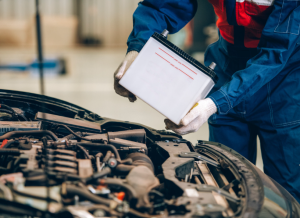
Car batteries tend to be pretty low maintenance, but there are still some things you should do to keep yours in the best condition possible. Visiting your San Jose Subaru dealer for car battery service regularly is essential, and there are also things you can do at home. more Visit Your Bay Area Subaru Dealer for Car Battery Service The key to keeping your battery working well is getting regular battery service, so visit your Bay Area dealer approximately every six months. The mechanics at the dealership can perform several essential checks to see how your battery is doing. For example, they need to check your battery for acid stratification. If the battery is stratified, then it can't charge above 80 percent. The mechanics at your local dealer also need to do a battery load test to check whether or not the battery can charge up properly. If your battery can't charge properly, then the mechanics will run an engine diagnostic to figure out what's causing the problem. Once they know what the problem is, they can work on fixing it. Keep the Battery in Place The vibrations caused by driving can sometimes damage your battery's internal connection. You can minimize the effects of vibration by using a hold-down system to stop the battery from shaking while your car is running. It's important to check this hold-down often to make sure it's still keeping your battery secure. Take Long Trips Aim to drive at least 10 miles every time you drive. Understandably, this isn't always possible, but limiting trips that are shorter than 10 miles can help your battery work better for longer. Short trips don't give your battery enough time to fully recharge, and that has a negative impact on your battery's health. Don't Let the Battery Get Too Hot or Cold Extreme weather can wreak havoc on your battery. When it's very hot outside, aim to park in the shade, such as under a tree. A car cover may also be helpful if there's no shade around that you could park in. When it's particularly cold outside, aim to park in a garage. A battery blanket can also help keep your battery warm when it's freezing outside. Drive Regularly Drive for at least 30 minutes every week so your battery has enough time to fully charge up. If you don't drive, then the battery will only last a month or two before it dies. If you'll be away for more than a month, then it'd be wise to have a friend drive your car for 30 minutes every week so you don't have to jumpstart the battery when you get home. Stop by Stevens Creek Subaru in Santa Clara, CA for battery service today. We'll perform a battery health check and replace your battery when needed.

subaru brakes san jose, ca

Subaru Brake Systems: When to Bring It to Your Subaru Dealer

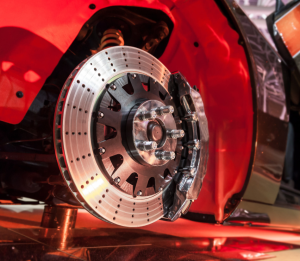
Your brakes are one of the most important safety features of your Subaru. To keep your brakes in good working order, you should not hesitate to bring your vehicle to your local Bay Area Subaru dealer for a brake service. Today, we're looking at everything you need to know about Subaru brake systems, including when service appointments should be scheduled and how you can maximize your brakes' lifespan. more Subaru Brakes: When It’s Time to Get Brake Service As a general rule, you should bring your Subie in for a brake pad inspection every year to 15 months or 12,000 to 15,000 miles. Typically, brake pads last between 15,000 and 20,000 miles. However, you should bring your vehicle in for a brake inspection and service sooner if you notice any signs that something is wrong, like hearing squealing when you brake. Like your brake pads, your brake rotors will need to be replaced eventually. If you stick to the recommended maintenance schedule, your rotors should remain functional for 50,000 to 60,000 miles. However, there are several factors affecting the longevity of your rotors, including how promptly you have your brake pads replaced when the friction material wears out. Bring your car in as soon as possible if your pedal vibrates when you brake. Have Your Brake Fluid Replaced Periodically One way you can extend the longevity of your brake system is to have your brake fluid replaced periodically. Generally, this vital fluid must ​be replaced every 2.5 years or 30,000 miles. It's important to have ​your local Subie dealership replace your brake fluid even if you don't have a brake fluid leak. The older the brake fluid gets, the more moisture it retains. Moisture retention ​degrades ​brake fluid's integrity in ​multiple ways. First, moisture ​retention impedes the brake fluid's ability to move the brake pistons. Furthermore, ​it lowers the brake fluid's boiling point. If you brake too hard for too long, your brake fluid can boil. Coast Another ​way you can maximize your brake system's lifespan is ​coasting before you depress the brake pedal. The faster you go before you brake, the more wear your brake pads are subjected to. Try to let ​the friction between the road ​and your tires decelerate your vehicle some before you press your brake pedal down. You should have a certified Subaru mechanic work on your brakes when you notice signs that the brake system is failing. It’s time to schedule a brake pad inspection at Stevens Creek Subaru in Santa Clara, CA if you don't see any signs of failing brakes, but it has been at least a year since your last brake inspection. Stop by our San Jose Subaru dealership to get your brakes done today!

subaru oil change san jose, ca

Subaru Oil Changes: The Key to Engine Longevity

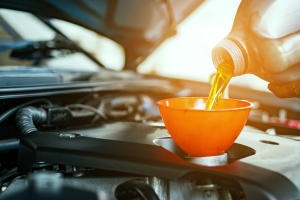
Keeping up with regular oil changes is one of the simplest yet most effective ways to help make sure your Subaru runs smoothly for years. There are lots of reasons why sticking to scheduled service at your Bay Area Subaru dealership is a game-changer for your engine. more Why Oil Changes Matter It's all about lubrication! Oil keeps everything inside your engine moving smoothly by reducing friction. Without fresh oil, parts start rubbing against each other, wearing down faster than you want. The oil in your engine also collects dirt and debris that naturally builds up inside. Changing your oil regularly cleans out this gunk, keeping your engine clean and efficient. Oil also helps whisk away heat from the engine. This cooling is critical because too much heat can lead to all sorts of engine troubles. Fresh oil means better heat distribution, so your engine can stay happy and healthy. Finally, when your engine is well-lubricated, it doesn't have to work as hard to get you moving. This can lead to better fuel efficiency, and who doesn't want that? It's Been Too Long Since Your Last Change Generally, you need to change the oil in your car after you've driven about 7,500 miles, or about six months, whichever comes first. If you've passed that milestone, it's time to make a service appointment. Dirty Oil Fresh oil is usually a clear, amber color. As it ages, it picks up particles from the engine, turning darker and getting thicker. Pull out the dipstick at least once a month to check on it. If your oil looks grimy, it's time for a change. More Noise Than Usual Hearing your engine work harder than usual? That could be a sign your oil is too old. Old oil doesn't do its job properly, and that can lead to increased noise from your engine. If you hear a knocking sound, that means the parts inside your engine aren't getting the cushioning they need to avoid damage. Lights on the Dash Keep an eye on your dashboard. If the oil light or the check engine light pops on, your Subaru is signaling it's time to see the pros. You might just need fresh oil, but it could also be a sign of something more serious, so be sure to get it checked out right away. Smoke from the Exhaust Seeing smoke coming out of your exhaust? That's a bad sign. You might have oil leaking into the engine where it shouldn't, or you might have too little oil. This can lead to overheating. Either way, it's a sign to get your oil inspected. Staying on top of your oil helps you make the most of your Subaru's impressive engineering. When in doubt, check it out, especially for something as important as your oil. Call Stevens Creek Subaru in Santa Clara, CA, to schedule your next service appointment today.

subaru engine diagnostic san jose, ca

Subaru's Engine Diagnostics: Preventing Major Repairs Before They Happen

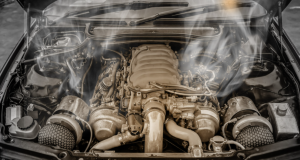
Engine diagnostics involves using advanced technology to scan a vehicle's onboard computer system to identify underlying issues and pinpoint problems. Taking your vehicle to your San Jose Subaru dealer for a diagnostic scan will expedite the repair process, which can help prevent extensive damage and costly repairs. more Why Are Routine Diagnostic Scans Important? Your Subaru has multiple interconnected systems and components that function together. If any single system experiences a malfunction, it can impact other systems and escalate into more serious issues. This highlights the importance of conducting routine diagnostic scans to identify vehicle problems early on before they escalate, leading to more damage and higher repair costs. Why Should You Take Your Vehicle for Routine Diagnostic Scans? If you cannot identify the root cause of your vehicle issues, a diagnostic scan conducted by our factory-trained and certified Subaru technicians will provide you with prompt and conclusive answers. Our advanced diagnostic equipment allows our Subaru technicians to identify the source of unfamiliar noises from under the hood, smoke from the tailpipe, or the illuminated check engine light. Through a diagnostic scan, we can address excessive fuel consumption, quickly identify unusual sounds and odors, and determine the reasons behind rough idling or slow acceleration. When Should You Take Your Vehicle for a Diagnostic Scan? We strongly advise including diagnostic scans in your vehicle's maintenance routine. Waiting for unusual noises, odors, or the check engine light to appear can lead to more damage or even a breakdown. Bringing your vehicle to us for an annual diagnostic scan can help identify underlying issues and prevent costly and time-consuming repairs. Check your owner's manual for the factory-recommended maintenance intervals and ask your Subaru technician to conduct a scan. It's also advisable to arrange for a diagnostic scan with us at the first sign of trouble to avoid the possibility of a breakdown. What Does a Diagnostic Scan Entail? Our service center employs factory-trained Subaru technicians who are highly skilled in working with Subaru vehicles and the technology required to keep them running optimally. When they perform a diagnostic scan, they use cutting-edge diagnostic equipment to connect to your Subaru's onboard computer system, retrieving codes and performance data. The diagnostic scan typically takes two to four hours, as it comprehensively evaluates every sensor in the engine, and the technicians need to review the codes and conduct manual inspections. This will enable the technician to accurately identify problems, assess the urgency of your vehicle's repair needs, and reduce the likelihood of misdiagnosis, ultimately saving time and money. Getting routine diagnostic scans is a wise decision to avoid breakdowns and paying high prices for repairs. Contact Stevens Creek Subaru in Santa Clara, CA, today to arrange a diagnostic scan. Our certified Subaru technicians use advanced diagnostic equipment to assess your vehicle's condition, will accurately pinpoint issues, and will perform reliable repairs in the Bay Area.

subaru seasonal maintenance san jose, ca

Seasonal Subaru Care: Preparing Your Vehicle for Summer and Winter

A surprising number of drivers try to save money by forgoing their regular Subaru maintenance, but your Bay Area Subaru dealer will certainly advise against this course of action. Routine maintenance all through the year is crucial if you want your vehicle to stay in optimal condition year-round, so preparing properly for summer and winter couldn't be more important to save yourself money in the long-run. more Check Your Tires Checking your tires is one of the most important maintenance tasks all-year-round. During the summer months, the higher road temperatures cause the air inside your tires to expand, so checking your tire pressure is vital to guard against handling issues and potential blow-outs. During the winter, your tires need to have enough tread to provide sufficient traction on wet road surfaces. Make sure you've inspected your tires and replaced them if necessary. Check Your Heating and Cooling Systems In the summer, failing to check that your vehicle's air conditioning system is functioning correctly could lead to some very uncomfortable road trips. Check the level of your refrigerant to ensure it's not too low and make sure there aren't any leaks in the system. During the winter, you'll need to stay warm while driving, and if your heating system isn't in full operational order, you won't just experience an uncomfortable drive: you could even experience a dangerous one. Checking your engine coolant levels and topping them up if necessary will guard against it freezing up in sub-zero temperatures while also effectively supplying heat for your climate control system. Check Your Wipers and Fluids During the summer, your windscreen can become dirty very quickly with bugs, dust, and debris. You could also experience torrential thunderstorms while driving during this season. Your windshield wipers need to be in top condition with no damage to effectively clear away rain and dirt and ensure your view of the road isn't obscured. During winter, the wiper blade material may harden due to exposure to extreme temperatures, resulting in damage. So, check for any signs of streaking during use and replace your wipers if necessary to stay safe on the road. These are just some of the top tips for year-round maintenance for your Subaru. It's always a good idea to visit your dealer for a check-up and service, regardless of the season, so if you're ready to book your vehicle in, call Stevens Creek Subaru in Santa Clara, CA, today.

subaru tire maintenance san jose, ca

Maximizing Your Subaru's Lifespan with Proper Tire Maintenance

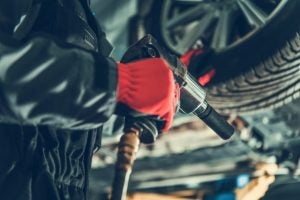
Taking care of your car's tires is essential for extending your Subaru's lifespan. Proper tire maintenance reduces wear and vibrations, increases traction, improves gas mileage, and ensures safety and a more enjoyable ride. Follow the advice from your Bay Area Subaru dealer below, and you will get the most out of your tires and your Subaru, keeping you comfortable and happy behind the wheel. more Tire Inflation Maintaining proper tire inflation is extremely important to ensure you maximize their durability and get more life out of each tire. Underinflation can result in heat buildup, leading to irregular tread wear and potential internal damage. Overinflation causes tires to be more prone to damage caused by hitting obstacles in the road. You should not only rely on your car's Tire Pressure Monitoring System (TPMS) but also regularly check the tire pressure of all four tires and your spare with a tire pressure gauge. Keep each tire inflated to the correct PSI, which is the minimum air pressure needed to support your car at its maximum load. Your tires' recommended PSI is on your driver's door and your owner's manual. Tire Inspections Make it a habit to inspect your tires monthly for wear and damage. Check the tread depth and wear pattern of each tire to determine if they are wearing evenly. Even tire wear will keep you safe on the road and prolong the life of your tires. If you notice that the tread wear indicator bars are visible, use a tire tread depth gauge to measure the tread depth of each tire. If the tread depth measures 2/32 inches or less, it's time for new tires. Tire Rotations Tires need to be rotated at regular intervals for optimal wear. Regular tire rotations ensure all four tires on your vehicle wear evenly and last longer. Evenly worn tires enhance safety and driving performance and also help you save money by maximizing the longevity of each tire. Wheel Alignment Incorrect alignment of your car's wheels will have an impact on your tires and how your vehicle handles. It can lead to premature tire wear, affecting both the performance and longevity of the tires. Ensuring proper alignment will prevent the need for early tire replacement. Taking care of your vehicle's tires not only makes them and your vehicle last longer, saving you money but also optimizes your vehicle's performance and safety on the road. Swing by Stevens Creek Subaru in Santa Clara, CA, today for a thorough tire inspection, pressure check, and tire rotation performed by our certified Subaru technicians to ensure your tires are in excellent condition.

new car air filter bay area

Does Your Subaru Need a New Car Air Filter?

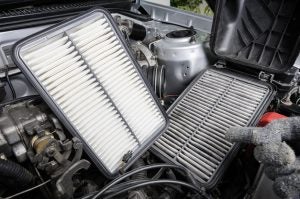
Your car air filter is in your engine's air intake system. It serves the vital function of safeguarding the combustion chamber against dust, dirt, and other contaminants from entering it and causing engine damage. Keep an eye out for the following signs indicating when to visit your San Jose Subaru dealer to replace your Subaru's air filter. more The Engine Light Is On When the air filter is clogged, it fails to provide enough clean air to the engine, which causes the accumulation of deposits on the engine parts, causing the illumination of the engine light. The Air Filter Is Dirty Air filters usually have a nearly white color when they are new. As time passes and dust and dirt accumulate, the filter will turn brown or black. Check the filter under sufficient lighting; if it looks dirty, ask your Subaru technician to replace it. Your Car Is Heavy on Gas If you have to refuel more frequently than usual, your air filter might be the cause. When the air filter is clogged, it can lead to poor gas mileage. A dirty air filter minimizes the airflow to the engine, which causes the engine to use more fuel to compensate for the lack of oxygen. You Experience a Loss of Power The amount of horsepower your vehicle produces is directly linked to the proper functioning of its engine. If you are experiencing slow acceleration, it could indicate that your engine is not receiving enough oxygen. Similarly, if your car jerks while accelerating or takes longer than usual to respond, it might be due to insufficient air that's affecting the overall performance of your vehicle. Your Car Idles Roughly, Is Hard To Start, and Misfires When the air filter is clogged with dirt, restricting airflow, it causes an increase in unburned fuel. This creates a soot residue that can accumulate on the spark plugs, leading to improper sparking. As a result, your vehicle may idle roughly, be hard to start, or even misfire. Get this problem checked by your Subaru technician as soon as possible to prevent any further damage. You Hear Strange Noises From Under the Hood When the engine is deprived of enough clean air, it may produce unusual sounds such as sputtering, coughing, or popping from under the hood. This happens because the restricted air supply disrupts the ideal air-fuel mixture, resulting in poor engine performance and the strange noises you hear. Replace your air filter after 10,000 to 15,000 miles or at least once a year. Call Stevens Creek Subaru of Santa Clara, CA, today. Our certified Subaru technicians perform a professional air filter replacement to ensure your engine runs optimally.

Contact Us

Fill out this form below and we'll contact you shortly
*Required Fields