

Blog / San Jose Subaru Service

Blog

All San Jose Subaru Service San Jose Subaru Dealer Things to Do In Santa Clara, CA Restaurants in Santa Clara, CA Stevens Creek Subaru Service
subaru parts san jose, ca

5 Benefits of Getting Genuine OEM Parts for Your Subaru

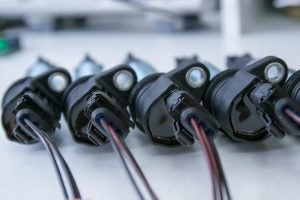
OEM, or original equipment parts, are vital to the safe operation of your vehicle. Original equipment parts come from the original equipment manufacturer and fit your vehicle perfectly, making them the perfect replacement when your vehicle needs repair. Read on to learn more about why you should choose your Bay Area Subaru dealer and OEM parts for your next repair on your Subaru. more 1. Quality Assurance Choosing an OEM part for your Subaru ensures that you will receive a part for your vehicle that fits and functions exactly as the piece you are replacing. This means it's the same part as when the vehicle was manufactured, providing you with the peace of mind that it will perform exactly like you need it to. There is no doubt about the quality of an OEM part. 2. Ease of Access When you bring your vehicle into the dealership for service, you have easy access to many original equipment parts. The dealership keeps these parts on hand so you can have your vehicle repaired quickly with quality parts and get back onto the road with little delay. 3. Easy Selection There are thousands of aftermarket parts available for vehicles with differing levels of quality from hundreds of brands, which means choosing the correct part can be overwhelming. Alternatively, selecting the correct OEM part is simple. All you have to do is look up the manufacturer, year, make, and model. The dealership can pull the OEM part and repair your car without the fuss of researching the reliability of different brands. 4. Warranty Don't get caught purchasing a lower-quality part without a warranty. Most auto manufacturers are confident about the quality of their original equipment parts and will back them with at least a one-year warranty. In addition to the part warranty, when you have your vehicle prepared at your local dealership, many will stand by their labor. This means you can be positive that the part and labor are of good quality, and if something were to happen, you aren't hung out to dry. Choosing an aftermarket part can cut costs in the short run. However, installing aftermarket parts can have the unintended consequence of voiding your vehicle's warranty. 5. Collision Repair Ensure that you choose original equipment parts when you are repairing your vehicle after a collision. Aftermarket parts, including body panels, may not fit your vehicle perfectly or have the proper crumple zones, making your vehicle less safe. Your time is valuable. Make sure you choose to service your car where skilled technicians deliver top-notch services in an efficient and stress-free manner. Give us a call at Stevens Creek Subaru to schedule a maintenance or repair appointment for your vehicle today.

Getting Seasonal Maintenance for Your Subaru

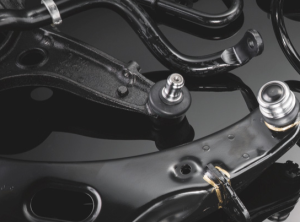
Owning a Subaru means having a vehicle that can tackle almost any road or weather conditions, and seasonal maintenance is a simple way to ensure your Subaru continues its amazing performance. Here's some advice from your Bay Area Subaru dealership on essential maintenance steps to prepare your vehicle for each season and make sure you have a smooth and safe driving experience year-round. more Spring Check-Up As winter subsides, it's time to rejuvenate your Subaru for spring. Start by replacing wiper blades to ensure clear visibility during spring showers. It's also essential to check tire pressure and alignment, as fluctuating temperatures can affect tire health. Additionally, spring is the perfect time for an oil change and a thorough inspection of brakes and suspension components, setting you up for safe and enjoyable drives in the warmer months ahead. Summer Preparation Summer brings heat that can stress your Subaru's systems. Prioritize checking the air conditioning system for optimal performance. Overheating is a common issue during summer, so ensure the coolant system is adequately filled and functioning. Battery checks are crucial too, as extreme temperatures can impact battery life. Preparing your Subaru for summer also involves inspecting the engine belts and hoses for any wear or tear that could lead to breakdowns during long summer road trips. Fall Focus Fall signals a change in weather conditions, making it the right time to prepare your Subaru for cooler temperatures. Begin by checking the heating system and defroster, to be sure you will have comfort and visibility during colder days. Battery performance can decline in cold weather; a fall check-up should include a battery test and replacement if needed. Additionally, inspecting the tire tread depth is vital to ensure adequate grip on wet or icy roads that are common in late fall. Winterizing Your Subaru Since winter can mean snow and ice, often accompanied by extreme temperatures, switching to winter tires or checking the condition of all-season tires is crucial for safe navigation on snowy and icy roads. It's also essential to ensure that the antifreeze levels are adequate and the heating system is working efficiently. Checking the lights and replacing any dim or non-functioning bulbs is also important for visibility during shorter, darker winter days. Regular maintenance each season is key to maintaining the reliability and performance of your Subaru. For expert care and peace of mind, visit us at Stevens Creek Subaru, where our team of skilled technicians is ready to provide comprehensive maintenance for your Subaru. Schedule your next service appointment with us and experience the difference in your Subaru's performance.

engine diagnostic san jose, ca

Getting an Engine Diagnostic for Your Subaru

Sometimes, identifying issues with your engine is simple. However, if your engine is acting up, and you don't know what the issue is, then you should schedule an engine diagnostic test at your Subaru dealership. This test works by using your car's internal computer to assess the overall health of your engine to pinpoint mechanical issues. more Do You Need an Engine Diagnostic for Your Subaru? Modern vehicles are engineered with various internal sensors that communicate with the car's computer system. When the check engine light is on, you will need to visit your dealership for a diagnostic test. Some drivers schedule regular diagnostic tests to detect problems before the check engine light turns on. A diagnostic test for your engine can easily be done during routine service, such as your six-month oil change or tire rotation. You should also ask for a diagnostic test any time you purchase a vehicle, including new cars, CPO cars, and used cars. What Parts Are Checked During This Test? While your engine is the main focus of a diagnostic test, it's common for other major vehicle systems to be checked during this test as well. Systems such as your transmission, brakes, exhaust, fuel injection, ignition coil, throttle, and airflow systems are all closely related to your engine, so these systems are commonly checked as part of a diagnostic test. Your mechanic may even manually check fluid levels during your diagnostic appointment. How Long Does Your Diagnostic Appointment Take at Your Subaru Dealership? Since today's vehicles are built with sensors and computer codes that make it easier to identify issues, a diagnostic test for your engine will usually take about an hour or so. However, if your engine is in severe condition and there are complicated codes the mechanic must decipher, your diagnostic test may take two to four hours. After your diagnostic is complete, your Subaru mechanic will talk to you about the repairs your vehicle needs. Sometimes, these repairs are simple and can be completed on the same day. Other times, your repairs may be more complex or a new part may need to be ordered for your vehicle. You will be able to talk to your mechanic about renting a loaner vehicle if your repairs are expected to take more than a few hours. When you don't know what's wrong with your engine, it's best to schedule a diagnostic test with a certified Subaru mechanic. Using your vehicle's computer and special codes, a mechanic can quickly identify the underlying issues that are affecting the performance of your engine. Book your diagnostic test at Stevens Creek Subaru today.

subaru oil change san jose, ca

How Often Should Your Subaru Get an Oil Change?

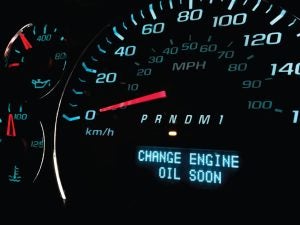
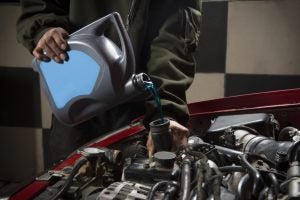
If you're driving a Subaru, chances are you love it for its rugged dependability and all-wheel-drive prowess. To keep your Subaru running smoothly, one of the most crucial maintenance tasks is the regular oil change. Understanding when to change your oil and recognizing the signs that it's due for a trip to the Subaru dealer can help you maintain your car's performance. more Understanding Oil Change Intervals The frequency with which you change your oil depends on several factors, including your Subaru model, the type of oil it uses, and your driving habits. The best place to start is with your Subaru's owner's manual. Most newer models can typically go between 5,000 and 7,500 miles between changes. However, if you're driving an older model, you might need to change it more frequently. If you often drive in harsh conditions, like frequent off-roading, driving in extreme temperatures, or regularly towing heavy loads, your oil might need changing sooner. Severe driving conditions can put more strain on your engine and its oil. Signs You Should Change Your Oil at the Subaru Dealer The Engine Runs Louder Than Usual As oil degrades, it can become less effective as a lubricant. If your engine starts to sound louder or runs rougher, this could be a sign that your oil is losing its efficiency. Oil or Check Engine Light Comes On Many Subarus have an oil indicator light. If this light illuminates, it's time for a check-up. Additionally, if your check engine light comes on, it's a good idea to check your oil levels and quality. Dirty or Dark Oil Clean engine oil is amber-colored and clear enough for light to shine through. If it turns dark or looks dirty and gritty when you check it with the dipstick, that's a sure sign that it needs to be changed. Consequences of Not Changing Your Oil Engine Damage Oil lubricates the engine, reducing friction between moving parts. Without regular oil service, this friction can cause significant wear and tear, potentially even leading to engine failure. Overheating As well as acting as a lubricant, oil also helps cool your engine. If you don't have enough fresh oil in your car, it can lead to overheating, which can seriously damage the components of your engine. Sludge Buildup Leave your oil in long enough, and it can thicken into sludge. Sludge can keep fresh oil from reaching critical parts of the engine, meaning even after you change it, the damage may linger. Changing your Subaru's oil regularly is one of the most important tasks you can do to extend its life and maintain its performance. By sticking to a routine and taking it in for service at the first sign of trouble, you may avoid damage and expensive repairs down the line. Call Stevens Creek Subaru and schedule your service today. We’re your Bay Area Subaru dealership and we’re here to service your car quickly and efficiently.

subaru head light san jose, ca

Does Your Subaru Need New Headlights?

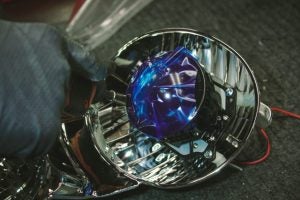
Have you ever been cruising down a road at night only to suddenly realize that your trusty Subaru's headlights aren't shining as bright as they used to? Before you rush off to your Bay Area Subaru dealer to replace them, take some time to figure out if you really need new headlights. more Dimming Brightness First things first. If you're finding that your nighttime drive feels a bit darker than usual, there's a good chance that your headlights have lost some of their oomph. Over time, the brightness of your headlights can decrease, making night driving more challenging and less safe. Hazy Days and Nights Take a moment during daylight hours to give your headlights a once-over. If they appear cloudy or foggy, that's a sign of oxidation. This can occur over time, especially with plastic covers, reducing the effectiveness of your beams. Just like trying to see through a frosted window, it's not ideal for those evening drives or foggy mornings. Flickering or Intermittent Lighting Much like an old, flickering bulb in your home, headlights can also start to show signs of wear by flickering. If you notice this while driving or when your Subaru is idling, it's a sign that your headlights might be on their last legs. It's crucial to address this quickly because no one wants a light to go out when you're mid-drive! Mismatched Colors Does one of your headlights seem like it's a different shade than the other, perhaps a bit yellower? It's a sign that one of the bulbs is nearing the end of its lifespan. Things to Consider Before Replacement Although replacing your headlights may be necessary in the end, there are a few things you can try first. Don't forget, trouble with your headlights may not always be the fault of the bulb, and it's important to track down the root of the problem. Cleaning Sometimes all your headlights need is a good clean. Road grime, debris, and dust can collect on the covers. Give them a thorough cleaning, and you might rediscover that lost brightness. Electrical Issues Flickering lights might not always mean the bulb is dying. It can also indicate an electrical issue. Before you swap out the bulbs, it's worth checking the wiring and other components. Get New Headlights at Your Subaru Dealer If you do need to replace the bulbs, head down to the dealer. When it comes to parts as crucial as headlights, it's important to go for quality. Your local dealership can help guide you to the best options for your model. Remember, headlights are about more than just seeing the road. They ensure you are visible to other drivers, keeping everyone safe out there. If you've noticed any of the signs above, it might be time to come in and treat your Subaru to some fresh headlights. Visit Stevens Creek Subaru today for all the help you need to get your car back out on the road.

subaru car battery san jose, ca

6 Signs Your Subaru Needs a New Car Battery

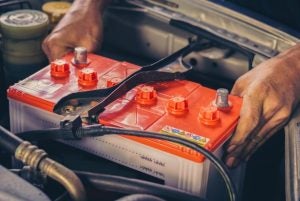
Car batteries die after a few years, so you'll need to make sure you get yours replaced every so often. Usually, getting the battery replaced every 3 to 4 years does the trick. However, sometimes a battery might show signs that it's getting ready to die sooner than you expected, so you'll need to head to your San Jose Subaru dealer for a new car battery if you notice any of the signs below. more 1. Your Subaru Dealer Suggests It The mechanic at the dealer might advise you to get a new battery during routine maintenance. Your battery could look totally fine, and your car might not be having issues, so the suggestion may sound like it's coming out of left field. However, you should take the dealer's advice. It's probably been a while since your last battery change, and your dealer knows your current battery isn't as powerful as it used to be and will start causing problems soon. 2. Your Car Isn't Starting As Fast As Usual If you notice even a few seconds delay before your engine turns over, then it's a sign you need to head to the dealer, as something's not quite right. Your battery may be struggling to produce the same amount of power as it used to, indicating that it's time to get it replaced. 3. Your Battery Is Misshapen Batteries that have been overcharged a few times may swell up. Visually inspect everything under the hood at least once a month to make sure everything looks okay, and make sure you take a good look at your battery. If its case looks a little swollen, then you'll need to get a new battery as soon as you can. 4. Your Battery Is Corroded A corroded battery will have an ash-like substance on the metal parts of it. When you notice this ashy substance on the connectors, then you know it's time to replace that battery. 5. Your Battery Is Creating an Awful Smell If you pop the hood and are overwhelmed by the horrible smell of rotten eggs, then your battery is probably the culprit. Your battery has probably started leaking gas that's creating the awful smell, so you need to get the battery replaced before it starts causing worse problems in your car. 6. Your Electrical Functions Are Slow or Not Working There are a lot of functions in your vehicle powered by the battery, including your power sliding windows, heated seats, and headlights. If any of these parts of your vehicle aren't working properly, then it could be assigned the battery is on its way out. Stop by Stevens Creek Subaru to get your battery replaced whenever necessary. Make sure you also swing by for routine maintenance, so your dealer can help you keep on top of changing out the battery every few years as needed.

7 car maintenance tips bay area subaru

7 Car Maintenance Tips to Keep Your Subaru in Great Shape

Your Subaru is an adventure waiting to happen. Whether you're navigating city streets or exploring the great outdoors, it's designed to take you places! To ensure it continues to do so reliably and efficiently, regular car maintenance in partnership with your Bay Area Subaru dealer is key. Here are some friendly tips to help keep your Subaru in great shape for all your upcoming journeys. more 1. Perform Regular Oil Changes Regular oil changes are like giving your Subaru's engine a refreshing drink. Engine oil lubricates, cools, and cleans vital components, ensuring they function smoothly. Check your owner's manual for the recommended oil change intervals, which are usually every 5,000 to 7,500 miles. Fresh oil keeps your engine happy and your Subaru running at its best. 2. Keep Your Grip with Tire TLC Your tires are the unsung heroes of your Subaru's performance. Check tire pressure regularly, as underinflated tires can reduce fuel efficiency and affect handling. Don't forget to inspect the tread depth, too! Balding tires can compromise safety, especially on wet or slippery roads. Rotating your tires at every other oil change ensures even wear and extends their lifespan. 3. Brake Checks Put Safety First Maintaining your brakes is non-negotiable. If you notice squeaking or grinding sounds when you brake, it's time for a checkup. Worn-out brake pads can lead to longer stopping distances and reduced safety. Regular brake inspections and timely replacements keep you and your Subaru safe on the road. 4. Coolant Helps You Beat the Heat Your engine relies on coolant to prevent overheating. Check the coolant level regularly and ensure it's the right type for your vehicle. An overheated engine can lead to expensive repairs, so a little coolant care goes a long way, especially during hot summers. 5. Check On Your Battery Few things are more frustrating than a dead battery. Extreme temperatures, whether hot or cold, can take a toll on it. Regularly inspect your battery for signs of corrosion or any loose connections. If your battery is more than three years old, consider having it tested or replaced to avoid getting stranded. 6. Keep a Clean Air Filter Your Subaru's engine needs clean air to perform optimally. A clogged air filter can hinder airflow, reducing fuel efficiency and power. Check your air filter regularly and replace it when it's dirty. It's a simple and inexpensive way to keep your engine breathing easy. 7. Get Regular Checkups at Your Subaru Dealer While self-maintenance can go a long way to keeping your car on the road, it's also crucial to schedule regular checkups at your trusted Subaru service center. Our professional technicians can spot issues before they become major problems, ensuring your Subaru stays in peak condition. Remember, your Subaru is more than just a vehicle: it's a companion on your journeys. By following these maintenance tips, you'll keep it running smoothly and ready for whatever adventures lie ahead. For help keeping your car in top condition, schedule an appointment with Stevens Creek Subaru!

subaru new tires san jose, ca

Does Your Subaru Need New Tires?

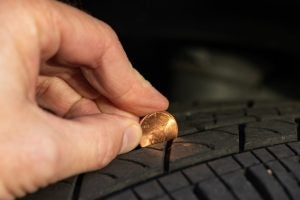
It's essential for your tires to provide good traction between your vehicle and the road, and when the traction on your Subaru is good, you drive with more peace of mind. But how do you know you need to purchase new tires from your Santa Clara Subaru dealership? more Do You Need New Tires for Your Subaru? The most common sign that you need to replace your tires is the level of tread wear on each tire. Modern tires tend to have tread wear indicators on the tires, so you can quickly check if it's time to purchase tires. It's a good idea to check the tread on your tires frequently so you can replace your tires in time. Other signs you may need to watch out for include: Unusual Appearance Your tires should have smooth walls, so if you see bulges or cracks on the side of your tires, it's time to purchase replacements. Any flaws on the exterior of your tires could be the result of manufacturer defects or damage from road hazards. Bumpy Driving If your car starts to feel bumpy when you drive or there is an excess amount of vibration, then you may need tire service. Vibrations may happen because of rear tire misalignment or trouble with your suspension. Why Should You Visit the Tire Center at Your Subaru Dealer? Although you can buy tires anywhere, it's generally best to buy your tires at your local dealership. Your dealership's tire center has tires that are perfect matches for your specific Subaru model and your desired performance level. Plus, when you buy tires at a dealership, you will get to enjoy Subaru's 24-month Tire Protection Plan, which is folded into any tire purchase at the tire center. The Tire Protection Plan covers the cost of tire repair or tire replacement. This protection plan is redeemable at any authorized dealership. Drivers will also get the benefit of Subaru Tire Roadside Assistance. There may be other perks folded into the terms and conditions of your protection plan. What Kind of Tires Should You Buy for Your Subaru? Picking the right kind of tires for your Subaru is essential. When you select tires that match the engineering of your vehicle, you will ultimately get better performance from your car. One major factor drivers consider when choosing tires is the time of year. All-weather tires are a good option because these tires are designed for dry, wet, snow, and warm conditions. Since these tires are intended to be used all year long, they are designed to have a longer tread life. However, you may also want to consider summer tires or winter tires for your vehicle to improve traction and braking ability during very hot or very cold times of the year. Whether you need new all-weather tires or winter tires, the tire center at your local dealership has you covered. It's important to regularly rotate or replace tires so that the tread on your tires ensures adequate traction for safe driving. Call Stevens Creek Subaru to schedule tire service today.

5 electrical problems you should fix at your subaru dealer in santa clara, ca

5 Electrical Problems You Should Always Fix at Your Subaru Dealer

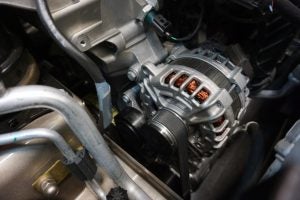
If your Subaru is having electrical problems, you should get them fixed immediately by your local San Jose Subaru dealer. Electrical issues can leave you stranded if they aren't addressed quickly. Luckily, your dealer has advanced diagnostic equipment to pinpoint electrical issues for fast, accurate repairs. more 1. Dead Battery If your battery is old or hasn't been maintained properly, its capacity for holding charge can drop dramatically. Symptoms of a dead battery include dim lights, the engine cranking slowly or failing to start, and a clicking sound when you start the vehicle. Your dealer's technicians will inspect the battery terminals for corrosion and loose connections. If the connections are okay, the technicians will test the battery and replace it to restore the vehicle's performance. 2. Faulty Starter The starter motor is responsible for cranking your engine to get it running. Over time, all those starts put wear and tear on the starter, causing it to fail. If you hear repeated clicking when you try to start your Subaru, your starter is failing. Your dealer's technicians will test the starter and replace it, allowing the engine to start smoothly. 3. Weak Alternator The alternator charges your Subaru's battery while driving and powers all the electrical components. A failing alternator may fail to deliver full charging capacity to the engine. As a result, it will slowly drain your battery, causing it to fail. If you notice dim headlights at idle, flickering dash lights, and malfunctioning electronics in the vehicle, you need a new starter. The battery light on the dash may also come on. Let your dealer test the output of your vehicle's alternator and replace it before you get stranded on the road. 4. ECU Problems The engine control unit (ECU) is your Subaru's onboard computer that manages the engine systems. If it develops problems, you may experience stalling, rough running, the check engine light coming on, or the car not starting. ECU issues usually occur due to faulty ECU wiring, bad sensors, or a failing ECU chip. It is difficult to diagnose this component without professional help. Your dealer has the right diagnostic tools to assess the ECU and pinpoint issues quickly. This eliminates guesswork during repairs and allows you to get back on the road quickly. 5. Bad Fuse Box Your car's fuse box is the central hub that distributes power to all the electronics and systems. Over time, corrosion, moisture, and vibrations can damage the fuse box or its connections. This leads to random electrical failures, recurring blown fuses, or failing electronics. Since the fuse box interacts with the entire electrical system in the car, it's critical to have it diagnosed by an expert. Dealers have advanced equipment to test the fuse box and carry out the necessary repairs. Don't allow electrical issues to stop you from enjoying your Subaru's excellent performance and reliability. Your local dealer can fix these and other electrical issues and get you back on the road immediately. Contact Stevens Creek Subaru to schedule electrical repairs with our certified technicians.

5 benefits of tire rotation in san jose, ca

5 Benefits of Getting a Tire Rotation for Your Subaru

Cars are designed to drive on four wheels of precisely the same size. But over time, car tires inevitably wear down unevenly, which can lead to varying wheel sizes, negatively impacting your handling, safety, fuel economy, and other factors. Let's take a look at the main reasons why you should never miss a tire rotation appointment at your local Subaru dealership. more Rotation Keeps You Safer on the Road There are two ways tires can wear down unevenly. The first is when either the front or rear tires wear down faster than the other two. The second is when one side of an individual tire wears down faster than the other side. Uneven tire wear can result from differing pressure put on the tires while braking and steering, or from unbalanced weight at the fore and rear of the vehicle. When either type of uneven tire wear occurs, one or two of your tires gradually become weaker than the others. They will soon have shallower tread depth, which is necessary for gripping the road. They also become more susceptible to damage, which can cause a puncture or blowout. Regular rotation spreads out the rate of tire wear and helps keep all four tires stronger and safer for longer. Rotation Maintains Better Handling When one pair of tires wears down significantly faster, the wheels become more and more unbalanced. This can start to generate odd vibrations and excessive road noise. It also reduces the precision of your steering and overall control of your car. Rotation Protects Connected Car Parts As cars aren't designed to have unevenly sized wheels, tires that are allowed to wear at different rates can strain your suspension, wheel alignment, and other connected car parts. If left uncorrected, this will cause problems to develop in various parts of your car. Rotation Helps Your Tires Last Longer One of the best reasons to have regular rotation is that you save money on the cost of new tires over the lifespan of your car. By ensuring that your tires wear down more uniformly, routine rotation keeps all four tires in great condition for as long as possible. How Often To Rotate Tires at Your Subaru Dealer It's generally recommended to have tires rotated every 5,000 to 7,500 miles or twice a year. This may vary depending on your model, so check your owner's manual for the manufacturer's guidance. You can also ask a trusted technician at your nearest dealership for advice on rotation intervals. Visit Stevens Creek Subaru today to have your tires checked and rotated. We provide excellent vehicle servicing and the very best selection of new and pre-owned Subaru vehicles in the Bay Area.

car ac not working in san jose, ca

Car AC Not Working? Visit Your Subaru Dealer

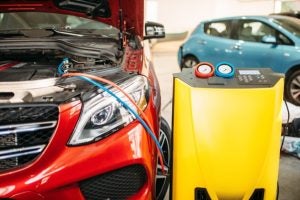
The air conditioner is one of those car accessories we don't think about much until it stops working on a hot, humid day. Below are the main reasons for an AC breakdown. If you ever notice your car AC not working, a technician at your San Jose Subaru dealership should be able to identify and repair the fault without too much trouble. more Electrical Fault The components of modern vehicles are highly computerized, including the air conditioner. If your AC refuses to work, the AC/heater control module, its wiring, or the electrical supply may have gone wrong. You're likely to need a technician to diagnose an electrical fault. Refrigerant Leak When your AC is turned on, the refrigerant flows through the system, constantly shifting from a liquid state to a gaseous state and back again. This is what creates the cool air. The various hoses refrigerant flows through can occasionally crack a leak at the connections, especially if the AC is left unused for several months over winter. If your AC has a leak, it won't be able to cool your cabin properly. You'll probably need a technician to locate and seal the leak. Faulty Condenser As the name suggests, the condenser is where the refrigerant is condensed from a gaseous state into a pressurized liquid form. Condensers can sometimes become damaged or clogged up by internal contaminants, inhibiting the cooling process. Other possible condenser problems include welding faults and damage from a collision. Malfunctioning Compressor The compressor is the component that propels the refrigerant through the system. It's possible for the compressor's clutch to malfunction, sticking at an on or off position, either of which will stop the AC from working properly. The compressor's drier, receiver, or expansion valve can also run into problems. Broken Evaporator Inside the evaporator, the cold refrigerant is turned back (evaporated) into a gaseous state while absorbing heat from the air that's blown through it before shedding that heat inside the condenser. This is where the coldness comes from, so if your evaporator has its air vents clogged by external leaves and debris, springs a leak, or suffers some other damage, you'll need to have it cleaned, repaired, or replaced. Faltering Cooling Fans The AC's cooling fans can become broken or stuck as a result of leaves, mulch, insects, and other debris flying in from outside the car. An electrical issue can also stop cooling fans from working. Either problem will prevent cool air from blowing into your cabin. Have your AC trouble promptly diagnosed and repaired today at Stevens Creek Subaru. We're a locally trusted full-service dealership providing the region's drivers with an excellent selection of new and pre-owned vehicles and top-notch customer service as well.

4 signs of a faulty ignition coil near santa clara, ca

4 Signs of a Faulty Ignition Coil

Being attuned to your Subaru's sounds and movements will keep your vehicle performing as you expect for years to come, and one of the critical components demanding your attention is the ignition coil. This small device is the heart of your Subaru's ignition system, supplying power to the spark plugs. When you have a faulty ignition coil, there will be some signs that you need to head to your San Jose Subaru dealer. more Misfires Think of the ignition coil as the conductor of an orchestra, ensuring each spark plug fires in harmony. A faltering coil can disrupt this symphony, leading to irregular or absent spark plug firing. This disharmony manifests as stuttering, shaking, or a lack of power, especially during acceleration. Often, this is a result of wear and tear or exposure to excessive heat, affecting the ignition coil's integrity. Poor Fuel Economy When the ignition coil is not performing at its peak, the spark plugs may not receive the optimal voltage. This can lead to incomplete combustion in the engine, causing your Subaru to consume more fuel than necessary. This increased thirst is not just a blow to your wallet, but an indication that your ignition coil needs attention. Warning Lights The modern-day Subaru is equipped with a check engine light, and when the ignition coil is compromised, this will light up as a warning. However, this light can indicate a myriad of other possible issues, too. A professional diagnosis is required to confirm if it's the ignition coil that is the source of the problem, as it might also be due to electrical shorts or other issues in the engine. Unusual Smells An unexpected smell of gasoline from your Subaru's exhaust can be caused by an ignition coil unable to supply sufficient power to the spark plugs. This means the fuel may not be burning efficiently, leaving unburned fuel behind. This unburned fuel escapes through the exhaust, releasing a potent aroma of gas. Get Your Ignition Coil Repaired by Your Subaru Dealer Listening to and interpreting the signs of a dying ignition coil is a critical skill for every Subaru owner. When your car's engine misfires, fuel economy dwindles, warning lights illuminate, or a gasoline aroma envelops your vehicle, it is time to take action. Our adept technicians are trained on all things Subaru, including ignition coil repair, and we are dedicated to restoring the harmony your Subaru deserves through our combination of experience, training, and use of OEM parts that always fit and perform like the original. Don't ignore the signs that your ignition coil is on the fritz. Reach out to us at Stevens Creek Subaru right away.

Contact Us

Fill out this form below and we'll contact you shortly
*Required Fields