

Blog / San Jose Subaru Service

Blog

All San Jose Subaru Service San Jose Subaru Dealer Things to Do In Santa Clara, CA Restaurants in Santa Clara, CA Stevens Creek Subaru Service
how to tell when your subaru needs radiator repair in santa clara, ca

How to Tell When Your Subaru Needs a Radiator Repair

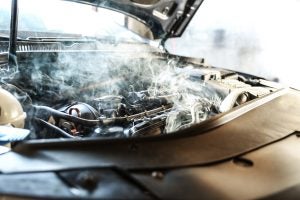
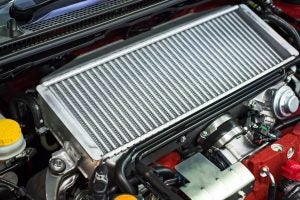
Your car's radiator keeps your Subaru's engine cool, preventing overheating. Recognizing the signs that your Subaru might require a radiator repair can save you from significant and costly issues down the line. If you notice the issues listed below, head to your Subaru dealer right away. more Unexpected Overheating If your Subaru is frequently overheating, it's a clear sign that your radiator could be in trouble. Overheating can be caused by a variety of issues, including a faulty thermostat, a clogged radiator, or a leak in the cooling system. While a malfunctioning thermostat might not open properly to let coolant flow, a clog or leak would prevent the proper circulation of the coolant. In both cases, the engine would heat up rapidly. Coolant Leaks Another telltale sign of radiator trouble is spotting a coolant leak. The coolant might escape from small cracks or holes in the radiator, resulting in puddles of coolant under your car. This green or yellow fluid is crucial for heat exchange in your engine, and a loss of coolant can cause your engine to overheat. Rust and Corrosion Rust and corrosion are often overlooked signs of potential radiator problems. If the coolant is not properly maintained, it can lead to corrosion inside the radiator. Over time, this corrosion can erode the radiator walls, creating leaks and affecting the radiator's performance. If you see rust on the outside of your radiator or notice particles in the coolant, it may be an indicator of internal rusting and a need for repair. Unusual Noises Last but not least, unusual noises can also indicate a problem with your Subaru's radiator. If you hear a bubbling or boiling sound, it could be a symptom of overheating, suggesting a malfunction in the radiator. These noises occur when the coolant can't circulate properly, leading to steam and pressure buildup. If such sounds accompany your drives, consider it a call to inspect your radiator. Visit Your Subaru Dealer for Repair Needs Responding promptly when you notice something is wrong can ensure your Subaru continues to deliver the performance you love. And when you do have a concern, you can expect prompt service from the dealership, with techs who have been highly trained in working specifically with Subarus and who will only be using genuine OEM parts. Our team of skilled technicians is ready to help with any radiator repair needs. We encourage you to reach out at the first sign of trouble: don't wait for small issues to become major headaches. Schedule repair or maintenance with Stevens Creek Subaru today.
does your subaru need a new catalytic converter near santa clara, ca

Does Your Subaru Need a New Catalytic Converter?

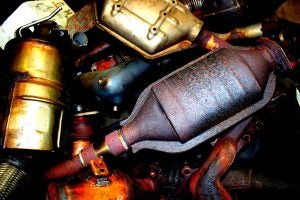
The catalytic converter's job is to remove dangerous and toxic chemicals produced by the combustion process. It does this using extreme temperatures, high pressure, and chemical relations. The pressure and temperatures can cause damage to the converter in the long term. These are a few signs that it may be time to visit your Subaru dealer in San Jose for a new converter. more Check Engine Light The check engine light illuminates in response to any problem with your engine. Your car's computer is connected to a vast network of sensors inside your car that monitor all of its most important components. If any of the sensors identify a problem, they inform your computer, and the computer illuminates the check engine light. Carbon is produced through the conversion process. The carbon can build up and block the exit from the converter. This forces the combustion gases back into the engine. These gases will increase pressure inside the engine and raise the fuel-to-air ratio. This combination of events can cause your engine to misfire or stall. We can fix this problem by examining the converter and clearing the blockage, and the check engine light will go out. Rattling Noises It's never a good sign if you hear rattling noises when driving, as it means something is loose or broken. If the sound seems to be coming from underneath your car, the most likely cause is a damaged converter. A honeycomb structure fills the interior of the converter and provides a large area for the conversion process. Over time, the heat and pressure can cause cracks in the structure. A crack in the honeycomb will widen, and pieces of the structure can break off. This weakens the integrity of the structure, and will eventually cause the converter to fail. The broken pieces of the converter will move around as you drive and produce a rattling sound. Our technicians will remove your converter to investigate. We can't repair the honeycomb, but we can install a new converter for you. Sulfur Smells Hydrogen sulfide is a toxic, corrosive chemical that is produced during combustion. It's well-known for its foul, rotten-egg smell. Hydrogen sulfide is one of the chemicals that's dumped into the converter for conversion. When your converter is working correctly, the conversion process will change hydrogen sulfide into harmless sulfur dioxide and water and expel it via the exhaust pipe. If you smell a rotten egg smell from the tailpipe, your converter could have failed. A failed converter won't affect any engine gases that enter it. These gases will remain unconverted and pass out of the exhaust. We'll investigate, and we can install a new converter to fix this problem. Driving with a damaged converter can harm your engine. If your converter is damaged, you'll also fail an emissions check. Call our service department today at Stevens Creek Subaru.

car transmission

6 Signs Your Subaru Needs a Transmission Repair

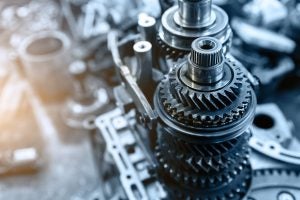
Repairing a malfunctioning transmission sometimes involves taking the entire gearbox apart and cleaning, repairing, or replacing each internal component before putting it back together again. But if you keep an eye out for early warning signs of trouble, you can often avoid the most extensive of transmission repair jobs. With this in mind, the following six issues should prompt you to visit your nearest Subaru dealership to have your transmission checked without delay. more A Smell of Burning Plastic When transmission problems arise, the transmission fluid is often to blame. When the fluid gets old or reduces in volume, its essential lubricating function diminishes, which can rapidly lead to overheating, gears wearing out, and all kinds of other trouble. When aging transmission fluid starts to break down, you'll often smell an odor similar to that of burning plastic. This is the smell of the transmission fluid starting to burn. Refresh Fluid Often at Your Local Subaru Dealer As soon as you suspect your transmission fluid of getting old, have it checked and flushed at your nearest dealership. It's generally best to have transmission fluid refreshed every 30,000 miles or so. Reddish Fluid Puddling Under Your Car Leaking transmission fluid can rapidly cause gearbox trouble. If you ever notice a puddle of red or brown liquid pooling under your car, have a technician find and fix the source of the leak as soon as possible. High-Pitched Whining Sounds Modern automatic transmissions tend to emit a whining sound when they first start to struggle. This whining might simply mean the fluid is low, but it might also indicate a more serious issue with the torque converter or planetary gear system. Awkward Grinding Sounds Grinding sounds often mean the gears are starting to stick or struggle to grip each other. Once again, flushing the fluid may resolve the problem if it hasn't developed too far. You might also need to have some of the internal gears replaced. Vibrations When Switching Gears Any shaking and vibrating when shifting gears is never a good sign. Vibrations indicate that the gears are having trouble, perhaps due to low fluid. Gearbox vibrations will usually be accompanied by odd noises and other symptoms of a faltering transmission. Unresponsive Gear Shifting When gears begin to respond slowly to your shifts, it can become dangerous while you're driving. Sometimes, faulty gear sets cause a delay of a few seconds before the new gears engage. When this happens, your engine might also start revving loudly as the car struggles to shift properly. This is a sign that a more serious problem is developing, and a technician should take a look right away. Have your car's transmission fluid flushed and the gearbox inspected and repaired today at Stevens Creek Subaru. With a broad range of excellent vehicles and top-notch customer service, we're the Bay Area's premier Subaru dealership.

engine problems

3 Engine Problems You Should Always Fix at Your Subaru Dealer

If you experience engine problems, your Subaru dealer is here to help. We can fix any problem with your engine and have you back on the road in no time. These are some of the issues we can repair. more Blocked Catalytic Converter The catalytic converter is attached to your exhaust system, and its function is to convert dangerous and toxic chemicals produced by combustion. Although modern fuels are cleaner than the old leaded fuel, they still produce harmful gases like carbon monoxide and hydrogen sulfide. Once combustion is completed in a cylinder, the residual gases are expelled into the converter. The converter uses a combination of extreme pressure, chemical reactions, and great heat to change these gases. Carbon can build up and block the exit of the converter. If this happens, the combustion gases are forced back into your engine. These gases increase pressure in the engine and can cause misfiring, stalling, or even shut your engine down. We can fix this problem by removing the blockage and the converter will work again. Damaged Radiator The radiator is a vital part of your engine, as it removes the heat generated by engine operations. The liquid coolant travels through the engine and absorbs the heat radiating from engine components. The coolant then flows into the radiator tubes, where the heat is removed by heat exchange with the outside air. Radiators operate under constant high pressure and extreme heat, and this can result in damage. A radiator also ages, and metal fatigue or rust can appear. Either of the two situations can contribute to coolant leaks. A coolant leak decreases the speed and pressure in the system, and your engine will start to overheat. If you see signs of a radiator problem, like leaking coolant or a steadily increasing engine temperature, call us right away. Our technicians will check your radiator and repair or replace it to solve this problem. Damaged Thermostat As we've seen, the coolant absorbs and removes heat generated by your engine. The coolant only starts to flow when your engine reaches a pre-set temperature. The thermostat is a small engine component that registers the changes in engine temperature and opens to release coolant when the pre-set temperature is reached. If the thermostat fails, it can jam closed. A jammed thermostat prevents coolant from being released, and your engine will rapidly start to overheat. We'll examine the thermostat and install a new one if the original is damaged. Once the thermostat is working correctly, your engine temperature will subside. Any problem with the engine will only get worse if it's not repaired. Call our service department today at Stevens Creek Subaru.

subaru alternator repair

How to Tell When Your Subaru Needs an Alternator Repair

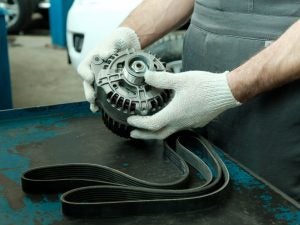
Your Subaru has numerous systems that require electricity, and the alternator's job is to produce this electricity. If the alternator is damaged or broken, your car will rapidly develop problems. These are a few of the signs that it's time to visit your Subaru dealer for an alternator repair. more Squealing or Screeching Noises Weird noises from under the hood are always a sign of trouble and need to be examined ASAP. One of the most likely causes of squealing or screeching noises is a damaged alternator belt. The belt connects to the crankshaft, and as the crankshaft turns, it causes the belt to run across a series of pulleys. One of these pulleys powers the alternator. An alternator belt is made from reinforced rubber, but it can get damaged over time. The belt is subject to constant friction as it moves at speed across the pulleys. It can also become damaged if it has to move at speed over a jammed pulley. If your alternator belt is worn, you'll hear screeching or squealing as the belt moves. We can check the belt for you and repair or replace it depending on its condition. Dead Battery On average, your battery will last three to five years before it requires replacement. Your battery can fail due to age, and can also fail if it isn't receiving enough power from the alternator. A battery can't produce electricity, it merely stores it. As you drive, the alternator will begin the recharging process to ensure the battery is always fully charged. If your alternator is damaged or too old, it may not produce sufficient electricity. Your battery will gradually become weaker as it supplies more power than it receives. The damaged alternator will eventually cause your battery to fail. We can test your battery, and we'll also examine the alternator and electrical charging system. Once we've identified the exact cause of the problem, we'll repair it. Burning Plastic Smell The power generated by your alternator must be supplied to all the systems and devices that require it. Your Subaru has a vast network of wires and cables that connect every system to the alternator. Electrical wiring is delicate and has to be protected against movement and damage. All the wiring in your car is protected by thick plastic and rubber insulation. Wires can break as they age, and a broken wire will still receive electricity. As electricity flows into a broken wire, the wire will heat up, and this can cause its insulation to burn. Call us if you smell burning plastic or rubber and our technicians will investigate. We can quickly replace any broken wiring to fix the problem. If your alternator isn't working the way it should call us right away at Stevens Creek Subaru.

Subaru brake service

Does Your Subaru Need a Brake Repair?

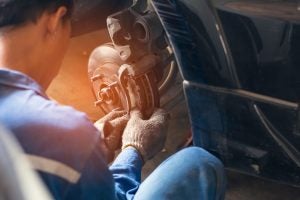
Every year, 5% of all US road accidents are caused by brake failure. All vehicle brakes undergo a great deal of wear and tear through natural usage. If brakes aren't properly maintained and problems aren't immediately addressed, they can lose the ability to properly slow and stop your car. So to keep yourself safe on the roads, the following six brake issues should prompt a quick visit to your local Subaru dealer for brake repair. more High-Pitched Squeaking Sounds Most drivers are familiar with a high-pitched squeaking or squealing sound when they brake. This noise might point to a worn-out brake pad that needs to be replaced as brake pads are designed to emit this warning sound when the friction layer becomes too thin. Alternatively, squeaking can be caused by debris, dust, rust, or water on the pads. If the squeaking persists for more than a few miles of driving, have a technician take a look. Metallic Grinding Sounds When brake pads wear down too far, the metal layer can start scraping directly on the rotor, causing a loud metallic grinding sound. In this case, the worn-out brake pad needs to be replaced at once before the rotor becomes seriously damaged. Vibrating Pedal or Steering Wheel When a rotor becomes scored by a brake pad or warped by overheating, you're likely to feel a strange vibrating or wobbling sensation through either the brake pedal or steering wheel. A damaged rotor can occasionally be repaired with resurfacing but you might also need to replace it. Spongy, Unresponsive Brakes If you press the brake pedal, and it feels spongy or soft, you might have leaking brake fluid. When a brake hose springs a leak, the necessary hydraulic force inside the hoses is reduced. This means your foot on the pedal can no longer send as much force to the caliper. It's a very dangerous situation that might even lead to brake failure if not promptly addressed. If you have spongy brakes, pull over and search under your car and wheel wells for a dripping oily yellow or brown fluid. Pulling to One Side Brake problems frequently cause the car to pull slightly to one side when you brake. This is because a wheel on only one side of your car has lost a degree of stopping power. Brake Light Comes On Modern Subaru cars have advanced and reliable computerized sensors throughout their braking mechanisms. So if a brake problem ever develops, the first thing you're likely to notice is the brake light coming to life on your dashboard. How a Subaru Dealer Inspects Your Brakes When you take your car in for brake servicing, the technician will test your brakes and examine the hoses for signs of leaking fluid. They'll remove the wheels in order to carefully examine each caliper, rotor, drum, shoe, and brake pad for signs of trouble. They can then repair or replace any faulty parts and also let you know how much longer you can expect each component to last. Have your brakes checked and repaired today by qualified professionals at Stevens Creek Subaru. Our talented, experienced, well-trained staff are dedicated to providing top-notch customer satisfaction.

Contact Us

Fill out this form below and we'll contact you shortly
*Required Fields